Highlights Of The Program
2 days business program:
Learn from real-world case studies by industry leaders.
SHOWCASING INNOVATION:
Discover the latest technology and techniques from across the industry.
leaders talk:
Hear from top-level experts about how to stay ahead in a fast-changing industry.
MULTIPLE STREAMS:
A business program that is multi-disciplinary, giving you a broad view of the industry.
SMART TECHNOLOGIES:
Explore the latest smart and AI-driven solutions, and see how they can be used in your business.
roundtable discussion:
Join talks with industry peers. Share ideas, make connections, and find new partners.
Program 2026
DAY 1 :
MONDAY, 23 FEBRUARY, 2026
08:00 - 09:00
REGISTRATION AND MORNING REFRESHMENTS
09:00 - 09:10
OPENING ADDRESS
09:10 - 09:35
GLOBAL COST DRIVERS OF DIRECT AIR CAPTURE: INSIGHTS FROM INTERVIEWS AND TECHNO-ECONOMIC ASSESSMENT
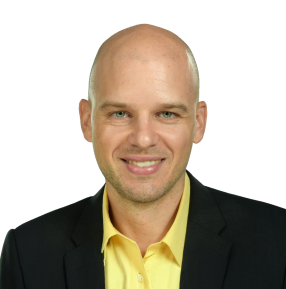

Mak Dukan
Forschungszentrum Jülich
- The importance of DAC siting criteria
- Risks and policy drivers for DAC siting

Kenneth Okosun
Forschungszentrum Jülich
- Levelised cost of DAC considering region-specific renewable energy potential and weather conditions
- Closing the gap between DAC and CO₂ storage
09:35 - 09:40
Q&A SESSION ON COST PERFORMANCE OF DIRECT AIR CAPTURE SYSTEMS
09:40 - 10:05
SHELL'S CCS STRATEGY IN EUROPE
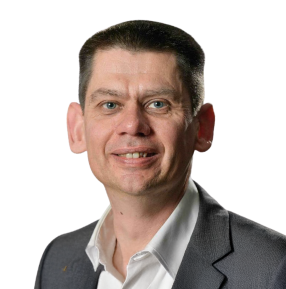

Paul Vledder
Shell
- Looking at Shell’s global CCS strategy while highlighting the European portfolio and ongoing initiatives
- Spotlighting flagship CCS projects in the Netherlands and examining their role in accelerating deployment
- Outlining policy considerations at both EU and national levels to support wider CCS adoption and growth
10:05 - 10:10
Q&A SESSION ON STRATEGIC INSIGHTS INTO EUROPEAN CCS PORTFOLIO
10:10 - 10:35
CAPITAL MARKETS' SUPPORT TO CCS


Anne-Gabrielle Laboureau
BNP Paribas
- Providing market updates on the CCS sector and global CCS financing
- Examining business models (regulated/ commercial frameworks, integration throughout the value chain)
- Allocating risks across the CCS value chain, covering CO₂ supply contracts, cross-chain risks, subsidies, and insurance solutions
- Presenting selected case studies – such as Tallgrass (US), NEP / NZT / HyNet (UK)
10:35 - 10:40
Q&A SESSION ON INVESTMENT MODELS AND RISKS IN CCS FINANCING
10:40 - 11:00
MORNING COFFEE BREAK IN THE EXHIBIT AREA
11:00 - 11:30
PANEL DISCUSSION ON THE ROLE OF CCUS AND CDR IN ACHIEVING NET-ZERO EMISSIONS TARGET





- Confronting barriers to large-scale CCUS and CDR deployment while ensuring these technologies are not a license to continue emitting
- Building credible carbon value chains by applying CCS infrastructure lessons and avoiding a repeat of the carbon offset bubble
- Balancing biogenic CO₂ use across CCS, CCU, and CDR for hard-to-abate and residual emissions
- Collaborative models, shared infrastructure, and regulation accelerating carbon capture adoption across energy, industry, and transport
Steve Martin | 2JCP | Moderator
Matthew Wills | Kent
Alexis Dunand | Carbon Gap
Pim Van Keep | SLB Capturi
Graça Gomes | Low Joule
11:30 - 11:55
BOTTOM-UP ASSESSMENT OF THE CO₂ CAPTURE POTENTIAL ACROSS THE EU INDUSTRIAL SECTORS


Guillermo Martinez Castilla
European Commission
- Analysing facility-level CO₂ emissions in cement, steel, chemicals, and waste-to-energy sectors
- Considering plant-specific features, including waste heat, process design, and capture technology suitability
- Deployment scenarios estimating realistic CO₂ capture flows by sector, region, and member state
- Assessing capture costs to highlight where the most affordable CO₂ abatement opportunities are located
11:55 - 12:00
Q&A SESSION ON ANALYSING THE TECHNOLOGY FIT AND PLANT-SPECIFIC DATA
12:00 - 12:25
LEVERAGING ADVANCED TECHNOLOGIES FOR LAST-MILE DECARBONISATION THROUGH CARBON CAPTURE AND STORAGE


Murray Ford
TCS
- Collaborating with digital innovators and engineering specialists to accelerate large-scale carbon capture and storage adoption
- Delivering TCS’s AI-led, digitally enabled framework for delivering economically viable carbon capture solutions in hard-to-abate industries
- Applying advanced simulation and predictive modelling techniques to enhance CCS performance and minimise deployment risks
- Integrating AI, ML, and engineering systems to achieve measurable progress toward net-zero emissions
12:25 - 12:30
Q&A SESSION ON ADVANCED TECHNOLOGIES FOR DECARBONISATION
12:30 - 13:30
NETWORKING LUNCH & VISITING THE CARBON CAPTURE EXHIBITION
13:30 - 14:00
PANEL DISCUSSION ON DEVELOPING A STRATEGIC FRAMEWORK FOR THE COMMERCIALISATION OF CARBON CAPTURE, UTILISATION, AND STORAGE
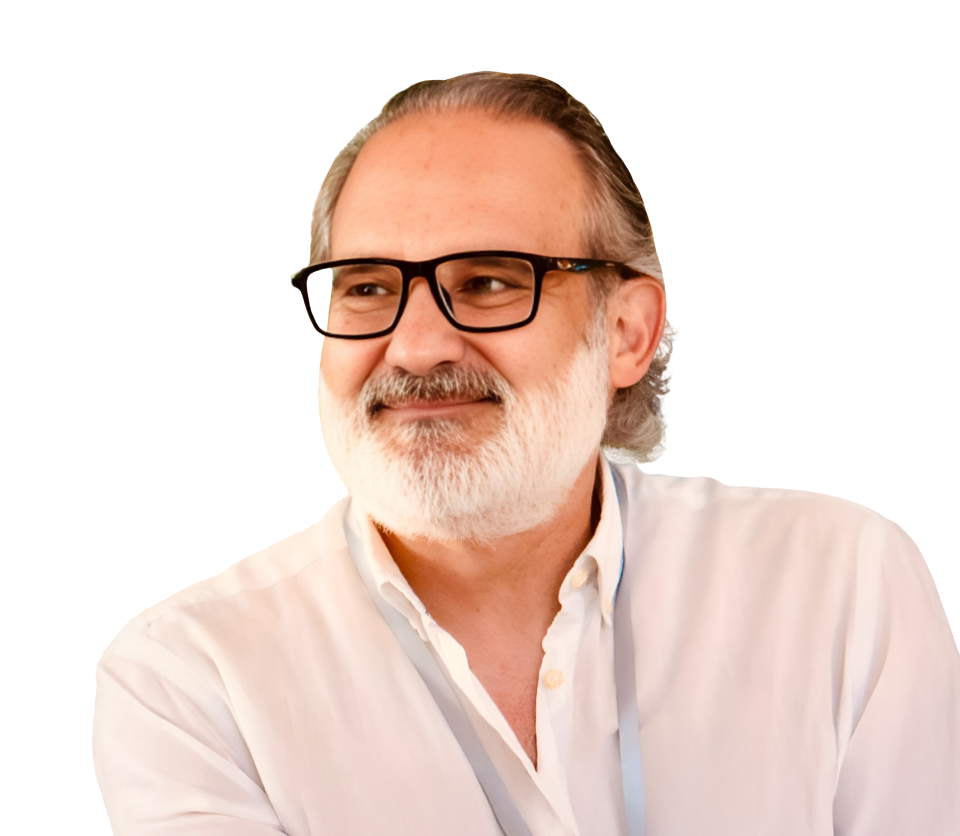
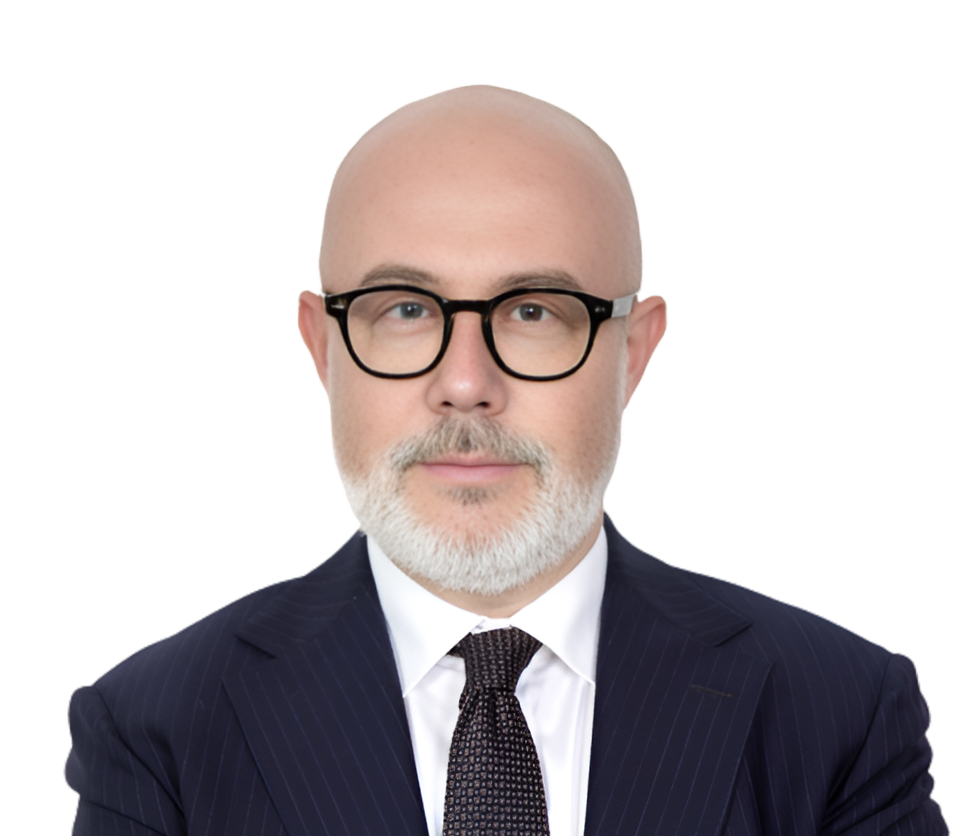
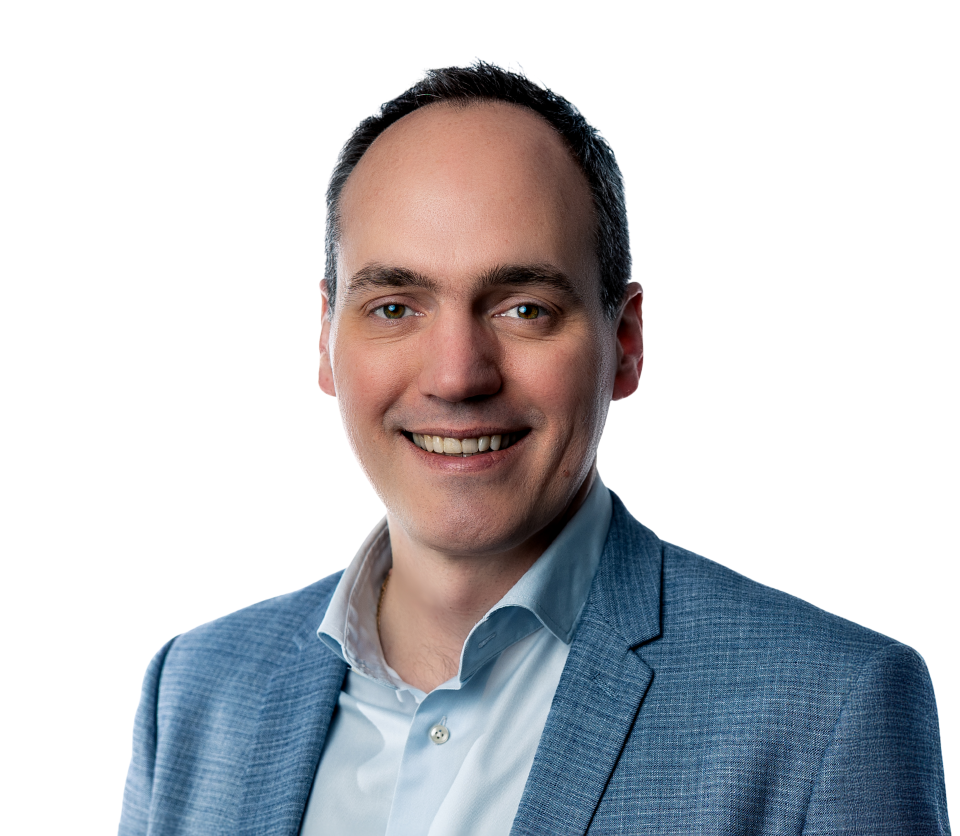

- Advancing decarbonisation through waste recovery and permanent CO₂ storage while addressing technical, regulatory, and economic deployment challenges
- CO₂ transport operators’ role in building strategic frameworks and scaling commercially viable CCUS value chains
- De-risking early CCUS investments through policy mixes that scale private capital, accelerate decarbonisation, and generating reinvestable public revenues
- Merchant CCUS business models in Europe accelerating investment and commercialisation while leveraging US lessons to advance decarbonisation
- Improving EU ETS and member-state CfD alignment while mitigating project-on-project risks through coordination, market stability, and investment certainty
Bruno Gerrits | Independent Consultant | Moderator
David Callejo Munoz | Resilco
Piotr Kuś | ENTSOG
Marcel Dabkowski | OakEdge Consulting
Pim Van Keep | SLB Capturi
Fulco van Geuns | Vopak New Energies
14:00 - 14:25
FINANCING THE CCUS VALUE CHAIN FROM PUBLIC FUNDING TO BANKABLE PROJECTS


Coline Perrin
PNO Innovation
- Looking at EU and national opportunities while comparing key funding schemes for CCUS development
- Identifying best practices in building partnerships and designing strong financial frameworks
- Transitioning from public grants to private capital while drawing lessons from pioneering projects
14:25 - 14:30
Q&A SESSION ON FINANCING THE CCUS VALUE CHAIN
14:30 - 14:55
DE-RISKING CCS PROJECTS: RISK ALLOCATION AND THE IMPACT ON CCUS PROJECT BANKABILITY
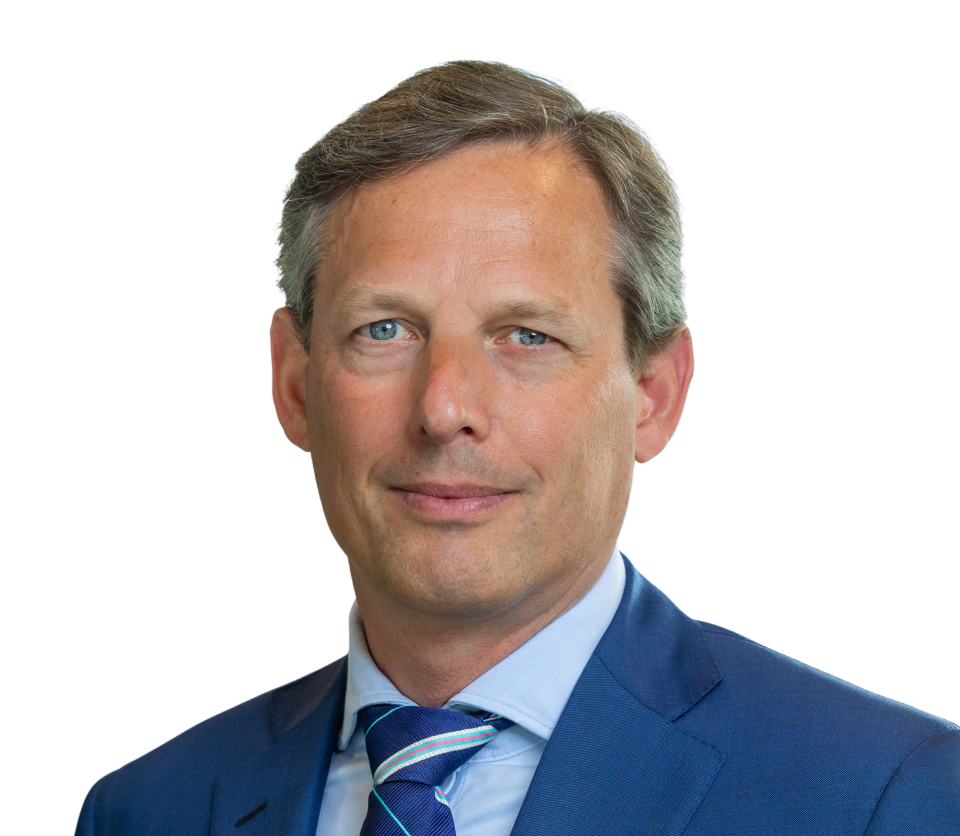

Peter-Paul Ekelschot
ING
- Identifying key takeaways from FID-approved CCUS projects in EMEA and relevant drivers for future developments
- Examining financing considerations by outlining major risks and their influence on the bankability of CCUS projects
- Assessing the role of risk allocation in shaping project bankability and strategies that optimise financing structures
14:55 - 15:00
Q&A SESSION ON OPTIMISING RISK ALLOCATION IN CCS PROJECTS
15:00 - 15:30
AFTERNOON COFFEE BREAK IN THE EXHIBIT AREA
15:30 - 16:00
PANEL DISCUSSION ON THE CHALLENGES AND BENEFITS OF IMPLEMENTING CCUS IN HEAVY INDUSTRY SECTORS
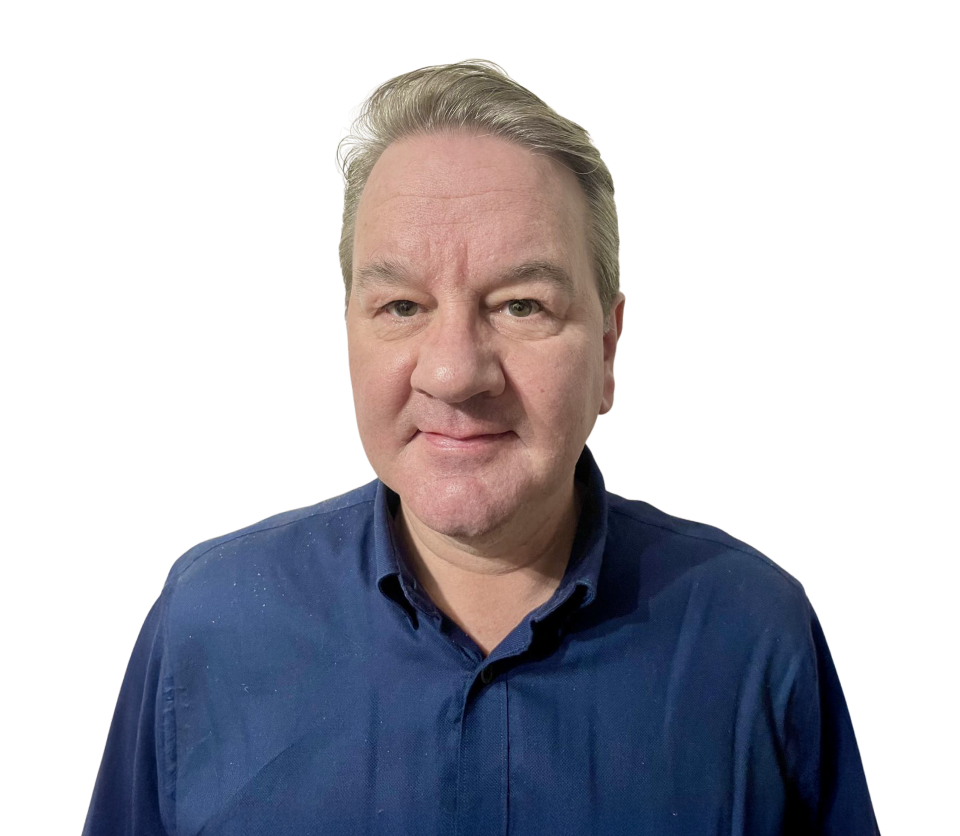




- Key learnings from implementing decarbonisation strategies in emitter environments and identifying regulatory clarity across sectors
- Bottlenecks in scaling post-combustion CO₂ capture and integrating CCUS utilisation pathways to accelerate industrial deployment
- Financial incentives and overcoming technical hurdles to advance carbon capture adoption in bioenergy and forestry industries
- DAC’s pivotal role powering Power-to-X markets and how decentralised capture advances scalable SAF and e-chemicals production
- Overcoming major heavy-industry CCUS deployment barriers and integrating capture solutions seamlessly into steel operations without disruption
Bruno Gerrits | Independent Consultant | Moderator
Peter Pottier | Remediiate
Luis Manuel Coral Villota | University of Groningen
Tero Joronen | TAMK
Amanda Fernandes | Skytree
Sebastiaan Vanparijs | Cyclops
16:00 - 16:25
EVALUATING CO₂ DEHYDRATION OPTIONS FOR CCUS IN EUROPE: BALANCING PERFORMANCE AND OPERATIONAL NEEDS


Dieter Müller
NOV
- Ensuring safe CO₂ transport and reliable long-term storage through effective dehydration
- Comparing triethylene glycol absorption with temperature swing adsorption to illustrate trade-offs
- Case study showing how scale, risk tolerance, and sustainability goals are shaping technology choice
- Developing a framework aligning costs, flexibility, and operational reliability with commercial objectives
16:25 - 16:30
Q&A SESSION ON EXPLORING TECHNOLOGY CHOICES FOR CO₂ DEHYDRATION
16:30 - 16:55
CONNECTING THE VALUE CHAIN: INTEGRATED CO₂ TRANSPORT SOLUTIONS FOR A NET-ZERO EUROPE


Marino Varricchio
CCSA
- Highlighting the role of CO₂ transport infrastructure in enabling large-scale CCUS expansion across Europe
- Examining technical, regulatory, and cross-border factors influencing a resilient, interoperable network
16:55 - 17:00
Q&A SESSION ON EUROPE’S INTEGRATED CO₂ TRANSPORT NETWORKS
17:00 - 17:25
THE NEED FOR PERMANENT CARBON REMOVAL AND NEGATIVE EMISSIONS TO ACHIEVE CLIMATE TARGETS


Roman van Laak
RWE
- Implementing sustainable biomass with carbon capture and storage at Dutch power plants through early-stage BECCUS projects
- Providing affordable green power, anchoring CCS infrastructure, and delivering negative emissions to meet climate targets
- Catalysing new value chains and industrial growth by enabling long-term use of large volumes of biogenic CO₂
- Expanding opportunities in the Eemsdelta cluster through advancing carbon use and circular economy growth
17:25 - 17:30
Q&A SESSION ON PERMANENT CARBON REMOVAL AND NEGATIVE EMISSIONS
17:30 - 18:30
NETWORKING DRINKS RECEPTION
DAY 2 :
TUESDAY, 24 FEBRUARY, 2026
08:30 - 09:00
MORNING REFRESHMENTS
09:00 - 09:10
OPENING ADDRESS
09:10 - 09:35
UNLOCKING SYNERGIES: THE ROLE OF CARBON CREDITS IN ADVANCING CCS SOLUTIONS


Jean-Philippe Brisson
Latham & Watkins
- Positioning carbon credits as financial incentives that can strengthen investment and accelerate CCS deployment
- Regulatory frameworks and policy mechanisms supporting credible carbon credit integration into CCS projects
- Demonstrating tangible environmental impacts while connecting carbon markets with long-term carbon storage solutions
09:35 - 09:40
Q&A SESSION ON CARBON CREDITS SUPPORTING SCALABLE CCS DEPLOYMENT
09:40 - 10:05
FROM PILOTS TO PIPELINES: MAKING CARBON CAPTURE INVESTABLE IN EUROPE


Andrea Wechsler
European Parliament
- An explanation of consistent policies and shared standards that move carbon capture from pilots to full networks
- Implementing smart funding and risk-sharing measures that make early projects commercially viable across regions
- Enhancing transparency and reliable verification practices that attract private investment and ensure accountability
- Promoting citizen engagement and local benefits that strengthen public trust and industrial growth
10:05 - 10:10
Q&A SESSION ON ADVANCING INVESTABLE CARBON CAPTURE NETWORKS IN EUROPE
10:10 - 10:35
COMMERCIAL BANK PERSPECTIVES ON CCS FINANCING AND WAYS TO REDUCE FINANCIAL COSTS


Jan-Erik Berre
DNB
- Outline of the role of commercial banks in supporting CCS projects through innovative financing structures
- Discussion on the need for streamlined CCS regulations and policy alignment to reduce overall project costs
10:35 - 10:40
Q&A SESSION ON FINANCING STRATEGIES FOR COST-EFFECTIVE CCS PROJECTS
10:40 - 11:00
MORNING COFFEE BREAK IN THE EXHIBIT AREA
11:00 - 11:25
CONTRACTING THE CARBON CHAIN: BEST PRACTICE FOR EMERGING CCS HUBS
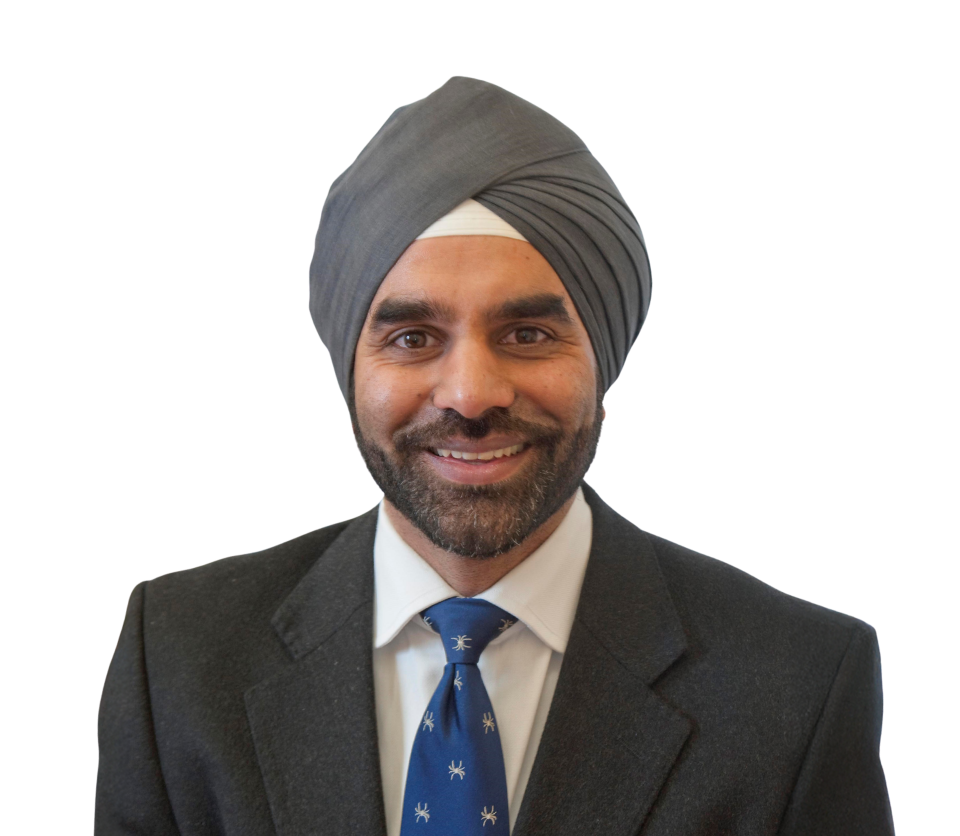

Navraj Singh Ghaleigh
University of Edinburgh
- Identification of key contractual frameworks shaping transport and storage systems across major CCS regions
- Assessing core clauses governing connection, commissioning, and operation within hub and cluster models
- Definition of governance, data, and liability provisions that ensure collaboration and transparency
11:25 - 11:30
Q&A SESSION ON CONTRACTUAL MODELS FOR CCS HUBS AND CLUSTERS
11:30 - 11:55
CHALLENGES OF OFFSHORE CO₂ PIPELINES
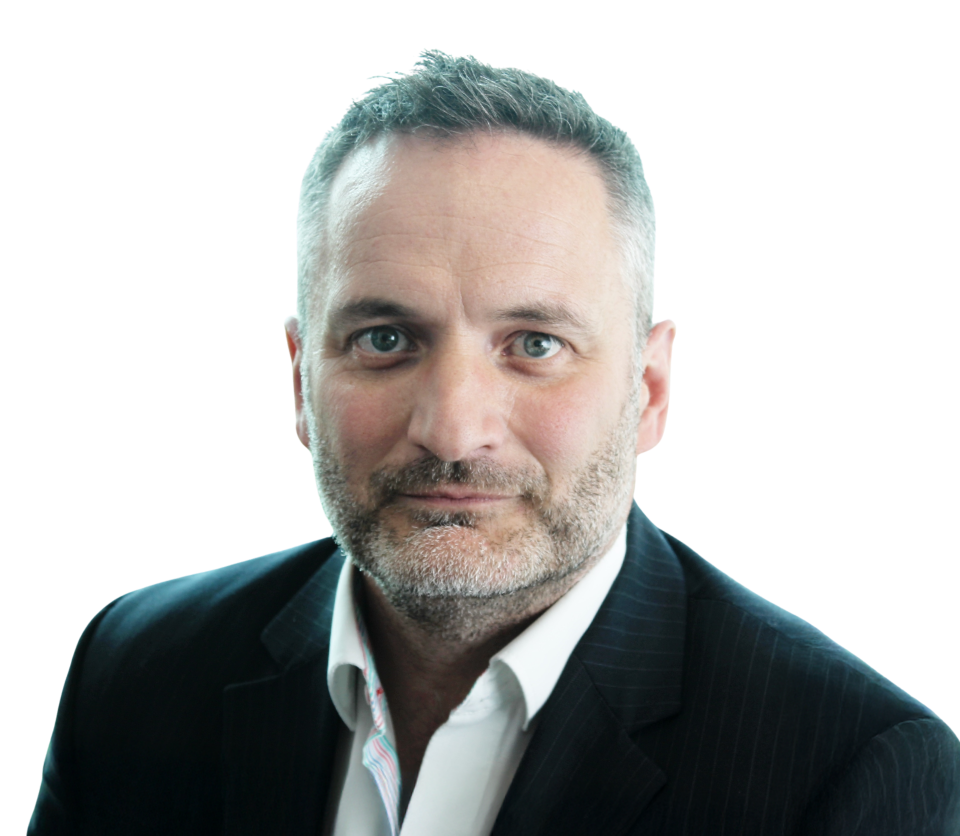

Chas Spradbery
Peritus
- Explaining key design differences between CO₂ pipelines and natural gas pipelines
- Assessment of operational differences that influence pipeline efficiency and integrity
- Presenting a case study on a major North Sea CO₂ pipeline to highlight practical lessons
11:55 - 12:00
Q&A SESSION ON TECHNICAL AND OPERATIONAL CHALLENGES OF CO₂ PIPELINES
12:00 - 12:25
FROM SMOKESTACKS TO SOLUTIONS: ALBERTA’S INDUSTRIAL HEARTLAND CARBON STORY


Chris Malayney
Alberta's Industrial Heartland
- Highlights of Alberta’s natural advantage through vast geological formations for permanent carbon storage
- Building on decades of industry expertise and infrastructure to advance large-scale carbon capture
- Examination of the role of supportive policies and funding in accelerating commercial-scale deployment
- Spotlighting recent investments positioning Alberta as a leader in global decarbonisation initiatives
12:25 - 12:30
Q&A SESSION ON GEOLOGY, INDUSTRY EXPERTISE, AND POLICIES FOR CCUS
12:30 - 13:30
NETWORKING LUNCH & VISITING THE CARBON CAPTURE EXHIBITION
13:30 - 13:55
THE CLOCK IS TICKING – RISKS TO DEPLOYMENT FROM THE SUPPLY CHAIN CAPACITY

Steve Martin
2JCP
- Reviewing progress toward binding climate targets and the implications for large-scale CCS deployment
- Identification of who will build future carbon capture projects and the capacity of the global supply chain
- Strategies to mitigate risks of delays and ensure projects move forward on time and at scale
13:55 - 14:00
Q&A SESSION ON SUPPLY CHAIN RISKS FOR CARBON CAPTURE DEPLOYMENT
14:00 - 14:25
LOWER DISTRICT HEAT TEMPERATURES AS THE KEY TO CARBON CAPTURE BUSINESS CASES
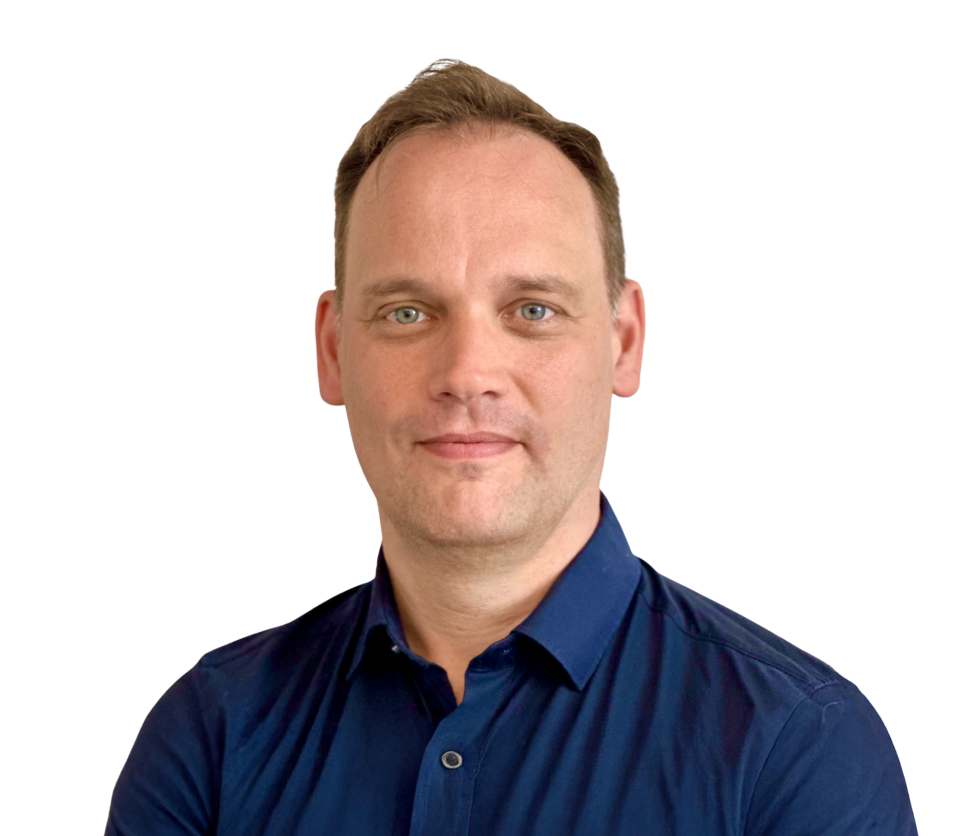

Moritz Köpcke
Ramboll
- Examination of German climate and energy policy frameworks that enable carbon capture in waste incineration
- Insights drawn from Nordic projects on integrating carbon capture without reducing heat output
- Assessing the role of lower district heating supply and return temperatures in improving system efficiency
- Highlights of the strategic value of joint planning for waste, carbon capture, and heating to meet 2045 targets
14:25 - 14:30
Q&A SESSION ON DISTRICT HEATING AND CARBON CAPTURE INTEGRATION
14:30 - 14:55
OVERVIEW OF THE NEW EASTERN LIGHTS EU PROJECTS ON CCS AND TRANSPORT


Isabella Nardini
Fraunhofer IEG
- Highlighting regional initiatives aimed at exploring CO₂ storage potential in Bulgaria and testing innovative cross-border transport solutions
- Monitoring systems designed to ensure transparency, safety, and efficiency across the entire carbon management chain
- Support for governments in shaping effective CCUS regulations and fostering public awareness across Europe
14:55 - 15:00
Q&A SESSION ON DEVELOPING REGIONAL CCS AND TRANSPORT SOLUTIONS
15:00 - 15:25
CARBON VISION 2040 BUILDING EUROPE’S CARBON CAPTURE ECOSYSTEM OF THE FUTURE


Bergur Rasmussen
CCS Europe
- Outlining Europe’s current CCS landscape, where less than 1 MtCO₂ is captured annually—far below the 2040 target of 280 MtCO₂
- Identifying key barriers to large-scale deployment, including fragmented frameworks, slow permitting processes, and limited infrastructure
- Drawing attention to the risks of inaction, as the absence of a coordinated policy threatens the role of CCS in achieving climate goals
- Support for the EU Carbon Vision 2040 as a shared roadmap to align policymakers, industry leaders, and investors towards collective progress
15:25 - 15:30
Q&A SESSION ON ACCELERATING CARBON CAPTURE DEPLOYMENT AND POLICY ALIGNMENT IN EUROPE
15:30 - 15:55
CO₂ CAPTURE: TECHNOLOGY AND PROJECT UPDATES
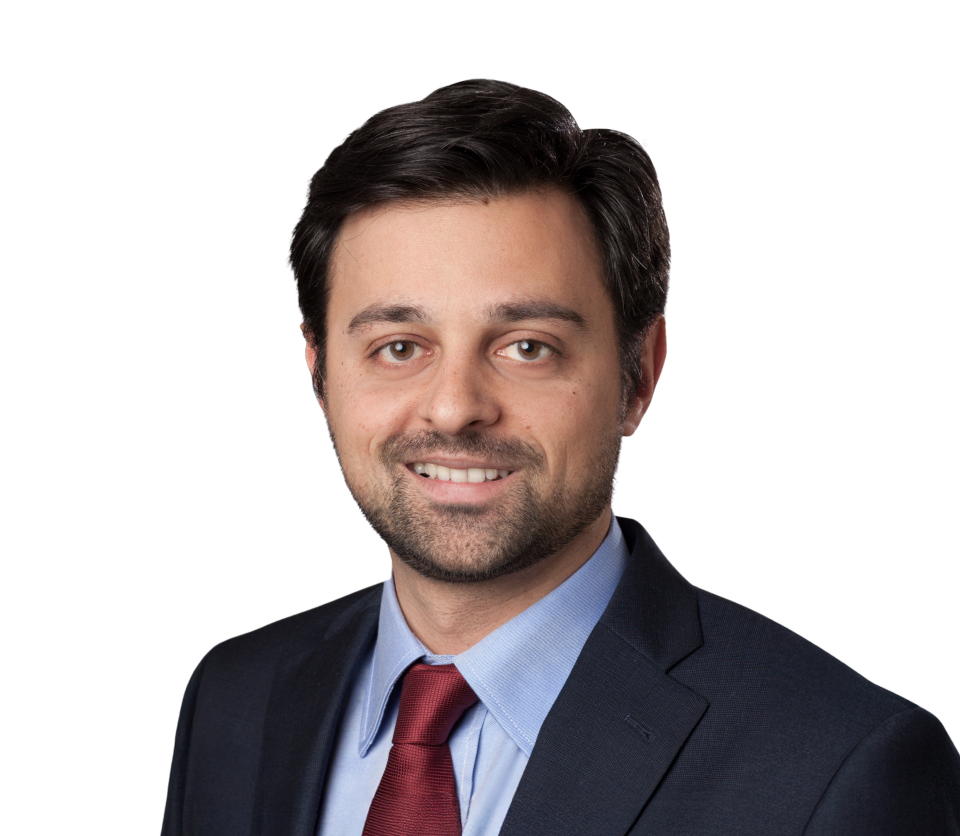

Michalis Agraniotis
MHI
- An overview of Mitsubishi Heavy Industries’ CO₂ capture business and the advanced KM CDR Process™
- Progress in heat pump integration, pilot testing activities, and current project updates, illustrating practical deployment
15:55 - 16:00
Q&A SESSION ON ADVANCED CO₂ CAPTURE TECHNOLOGY AND PROJECT UPDATES
16:00 - 16:15
FEEDBACK AND RAFFLE DRAW
16:15 - 16:30
CLOSING REMARKS
Become a Speaker & Join the Conversation
SUBSCRIBE FOR UPDATES
By submitting, you agree to receive email communications from the event organizers, including upcoming promotions and discounted tickets, news, and access to related events.